About
Dallas exhibit work designed around venues and opening-day control.
Trade Show Exhibit Company of Dallas plans exhibit programs around the details that decide whether a booth opens cleanly: the building, the schedule, the freight path, the service orders, and the people responsible on the floor.
What the company actually owns
Trade Show Exhibit Company of Dallas is built for teams that need one accountable exhibit lead across design, fabrication, graphics, logistics, installation, dismantle, AV coordination, and venue planning. The work is not simply making a booth look finished. It is making sure the booth can be approved, shipped, installed, staffed, and reused without turning show week into a pile of loose handoffs.
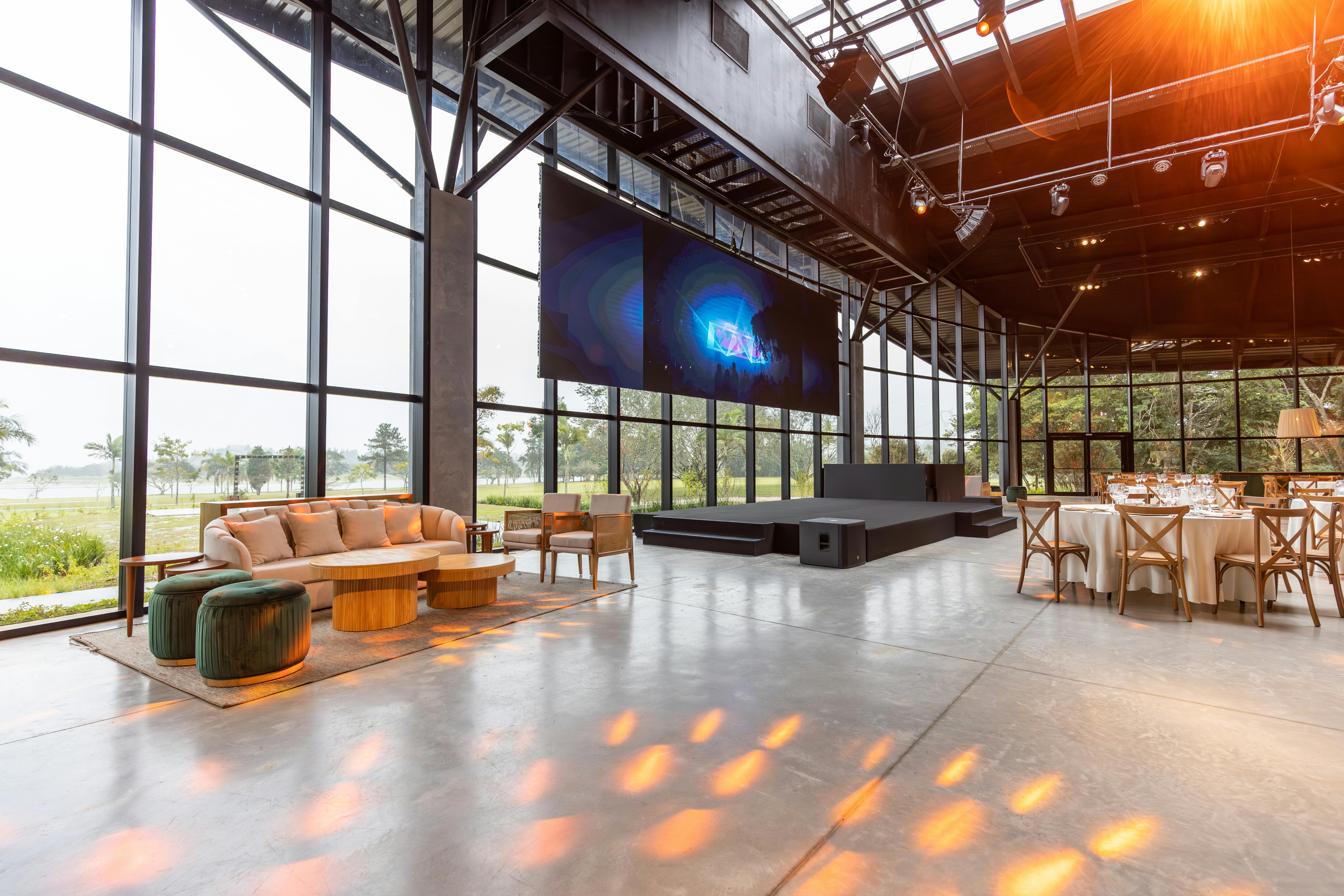
That responsibility matters in Dallas-Fort Worth because the same brand may move from Kay Bailey Hutchison Convention Center Dallas to a Las Colinas conference, an Arlington activation, a Frisco hotel program, or a Fort Worth expo. Each stop changes access, services, audience flow, and the amount of field control the project needs.
Why Dallas venue rules matter
Venue details affect the budget before the first crate leaves storage. Docks, utilities, internet, rigging, food service, security, preferred partners, freight paths, and hotel turnover can all change the exhibit plan. The team uses those constraints early so design decisions do not create avoidable field problems later.
The research behind the site focuses on official venue and destination sources. It points to real planning differences across convention centers, hotels, resort properties, event centers, and entertainment venues. The live project still confirms current manuals and organizer rules before production release.
How design and operations stay connected
The design process has to stay close to operations. A dramatic wall, monitor tower, product counter, meeting zone, or registration build only helps when it fits the service path, utility plan, staff pattern, and teardown window. Good exhibit work keeps those decisions together instead of separating creative intent from floor reality.
That is why booth strategy includes sightlines, storage, staffing, lead capture, demo support, material handling, electrical needs, internet needs, and closeout planning. The goal is a brand environment that feels sharp to visitors and workable for the people running it all day.
What clients can expect
Clients can expect direct questions early: venue, date, footprint, audience, show goals, reuse plans, product or demo needs, brand requirements, and known service deadlines. Those inputs make the first scope useful and reduce the number of late surprises that usually drive cost or compromise.
They can also expect field-minded planning. The team needs to know who owns approvals, who answers venue questions, who checks the booth before the client walkthrough, and how assets leave the floor after the event closes. Those details are not extras. They are the difference between a concept and an exhibit program.
Repeat-show value
Many Dallas exhibitors do not need a one-time object. They need a booth system, graphic package, or event environment that can move through several shows without losing quality. Reuse planning affects materials, crates, modularity, graphic refreshes, storage, repairs, and how much of the original investment survives the first move-out.
Closeout notes are part of that value. The team tracks asset condition, missing pieces, repairs, venue friction, freight lessons, and staff feedback so the next event starts from known facts instead of another blank slate.
The Dallas operating standard
The standard is simple: the exhibit has to look credible, fit the venue, support the staff, and open on time. When those four things line up, the booth gives the sales or event team a calmer environment for the conversations that justify the spend.
Trade Show Exhibit Company of Dallas keeps the work focused on that outcome. The plan may involve custom fabrication, rental structures, modular systems, logistics, labor, AV, lighting, or conference production, but every piece has to support a controlled opening day and a clean exit after the show.