
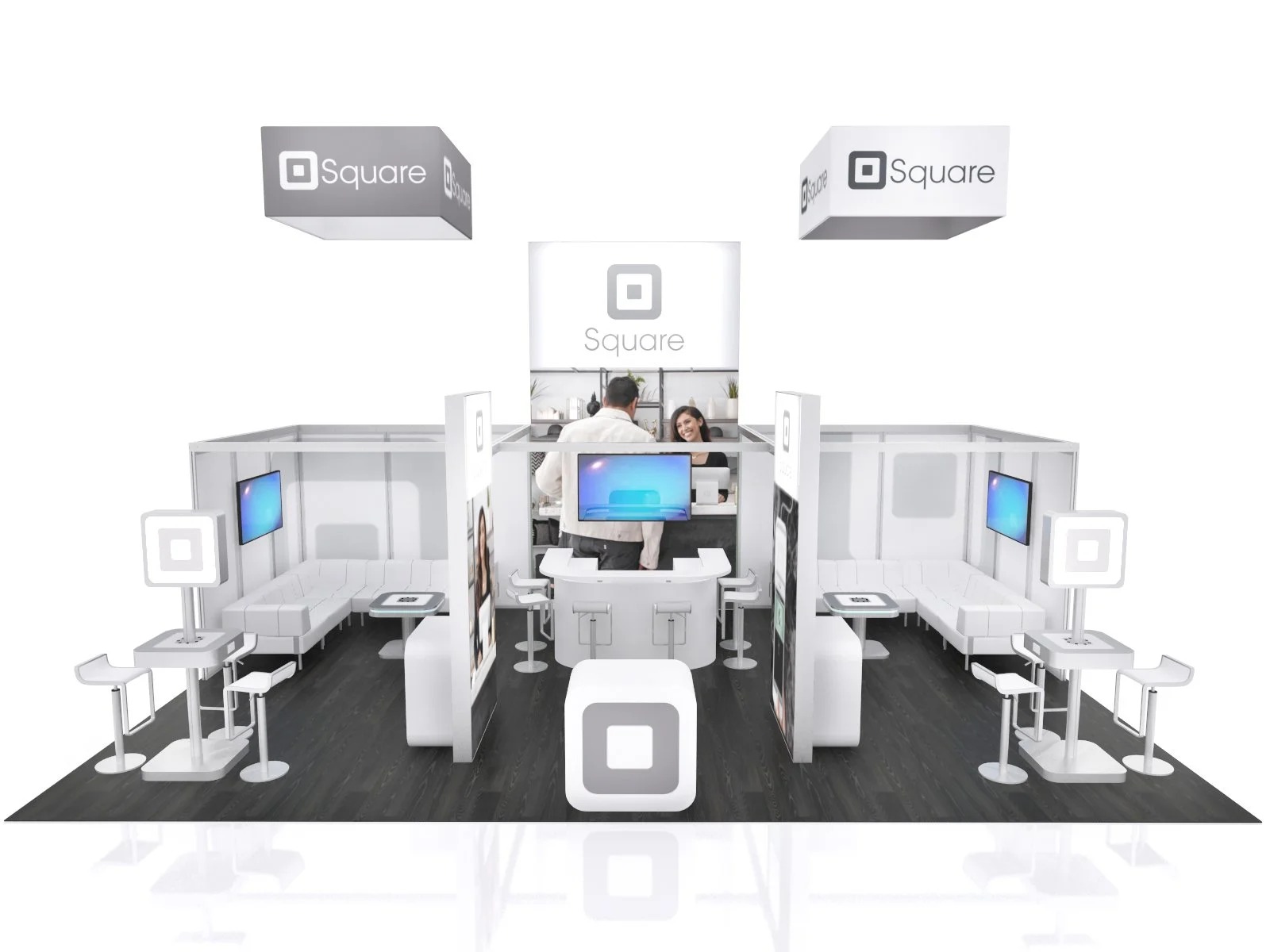
Booth Types / Island Exhibit Booths
Island Exhibit Booths for Dallas Events
Island booths need four-sided visibility, staff coverage, demo placement, and a clear center of gravity.
Island Exhibit Booths format decisions
Island Exhibit Booths planning starts with the format: island booths need four-sided visibility, staff coverage, demo placement, and a clear center of gravity. The booth type affects sightlines, storage, traffic control, graphic sizes, utility placement, freight, and the number of people required to install and staff it.
Dallas-Fort Worth venues make those decisions practical fast. A booth that fits a convention hall may feel oversized in a foyer, while a compact conference display may not carry enough presence for a sponsor-heavy expo. The format has to fit both the brand and the room.
The format also determines how much control the client has over reuse. Some programs are built to travel repeatedly, while others solve one venue or one event with rental structure, lighter freight, or a faster install path.
The booths also needs a clear decision on what happens after the first event. Rental return, storage, repair, graphic refresh, crate labeling, and future venue fit can all change what the best format costs over time.
Traffic, storage, and staff flow
The core operating details for the booths are four-sided visibility, central demos, staff coverage, overhead landmarks. Those details decide whether staff can hold conversations, store materials, reset demos, and keep the visitor path open without creating clutter.
Staff flow is just as important as attendee flow. Greeters, salespeople, product specialists, executives, and technical leads all need places to stand and move. If the layout ignores them, the booth may look finished but feel difficult to operate.
Those details need to be visible in plan review. A rendering can make the booth look complete, but staff flow, storage, demo reset, and lead capture decide whether the format works for a full show day.
The booth plan needs enough detail for the field team to build without interpretation. Numbered components, graphic references, utility notes, AV needs, furniture lists, and packing instructions reduce avoidable setup questions.
Graphics, utilities, and show services
The booths needs graphic dimensions, substrate choices, monitor locations, lighting, power, internet, flooring, furniture, and service orders aligned before production release. The booth type changes which of those items are simple and which ones carry risk.
Dallas venues can also change the service path. Utility floor drops, rigging rules, catering limits, internet orders, dock instructions, and preferred partner requirements belong in the planning conversation before the booth is packed or shipped.
The order of those decisions matters. Graphics and AV choices made before service checks can create expensive changes later, especially when power drops, rigging, internet, or venue restrictions affect the final layout.
That practical detail does not make the booths less cinematic. It gives the visual idea a stronger chance to survive freight, installation, staff use, and dismantle without losing the intended brand impact.
Freight and setup rhythm
Freight planning for the booths needs crate counts, case sizes, material handling, advance warehouse dates, direct-to-show decisions, delivery timing, and outbound packing instructions. The setup rhythm depends on those choices being visible early.
A lighter portable display, modular system, rental exhibit, custom island, or double-deck booth each creates a different install sequence. The field team needs the right crew, tools, and access plan for the actual booth type, not a generic show-floor assumption.
Setup rhythm also shapes crew size. The Dallas team needs to know which parts require skilled labor, which parts can be staged quickly, and which pieces need inspection before the client walkthrough.
The booths also needs a clear decision on what happens after the first event. Rental return, storage, repair, graphic refresh, crate labeling, and future venue fit can all change what the best format costs over time.
Venue fit across Dallas-Fort Worth
The booths can move through very different DFW settings, from downtown convention space to hotel meeting rooms, resort campuses, entertainment districts, and north-metro business events. The booth package needs enough flexibility for those rooms without losing brand consistency.
That fit includes ceiling height, column placement, aisle width, fire access, storage, service desks, guest flow, and the level of polish expected by the audience. The best format decision reduces friction for both the venue and the staff.
A flexible booth does not mean a vague booth. It means the system has a clear core message, a practical install path, and enough room to adapt to different DFW venues without looking compromised.
Brand presence without operational drag
The visual goal for the booths is not only to look bigger or brighter. It is to make the offer readable, the staff approachable, the demo easy to understand, and the experience memorable enough to justify the event spend.
Operational drag appears when the booth has too many pieces, unclear storage, late graphics, weak lighting, missing power, or complicated reset needs. Good booth planning removes that friction before it reaches the floor.
The best visual choices make operations easier. Strong graphics, clear counters, controlled lighting, and clean cable paths help the booth look better while reducing the small distractions that wear down staff during the event.
Reuse, rental, or custom direction
The booths may belong in a rental, modular, portable, or custom path. The right answer depends on show frequency, brand standards, shipping budget, storage capacity, graphic refresh needs, and how much control the team needs over structure and finishes.
Reuse planning is especially valuable for Dallas exhibitors with a regional calendar. Hardware, cases, graphic panels, lighting kits, and furniture can carry value across events when the team documents condition, missing parts, and venue-specific lessons after move-out.
That decision also affects storage. If the booth will be reused, the team needs labeled cases, repair notes, graphic records, inventory control, and a realistic plan for keeping the system ready between shows.
Opening-day readiness
Before doors open, the booths needs a final pass on structure, graphics, lighting, power, internet, demo readiness, storage, cleaning, lead capture, and staff placement. Those checks turn the booth from an installed object into a working sales environment.
The Dallas team also needs a clean closeout path. Dismantle, packing, rentals, outbound freight, asset notes, and repair decisions have to be planned before everyone is tired and the venue is pushing toward the next event.
Opening-day checks give the format a final reality test. The booth has to stand, read, light, power, staff, reset, and pack out the way the plan promised.
FAQ
Island Exhibit Booths questions
When is the right time to plan Island Exhibit Booths?
The booths belongs in the first planning conversation once the venue, date, footprint, audience, and service level are known. Early decisions protect graphics, freight, utilities, labor, and field supervision.
What information makes the first estimate useful?
Share the show name, venue, dates, booth size, brand goals, demo or product needs, staff count, reuse expectations, and any known organizer deadlines or service rules.
What changes across Dallas-Fort Worth venues?
The plan needs the actual venue context.
How does this connect to the full exhibit program?
The booths connects to design, graphics, logistics, installation, AV, labor, show-site supervision, and closeout. Treating those pieces as one plan reduces late handoffs and show-week friction.
Related links
Continue with the Dallas topics closest to the current scope.
Inquiry
Trade Show Exhibit Company of Dallas
Full-service exhibit programs with design, fabrication, logistics, and venue-aware show-floor accountability.