Venues / Arlington Convention Center
Arlington Convention Center Exhibit Planning
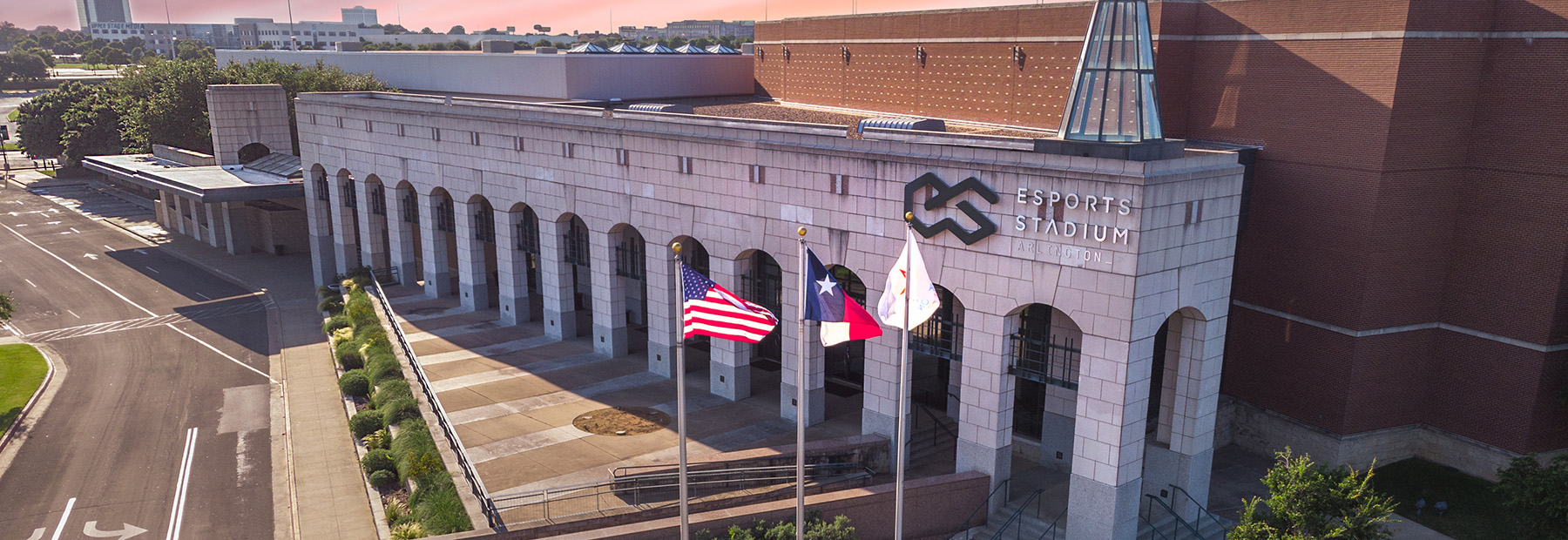
Arlington Convention Center connects meeting space with stadium-area traffic and entertainment-district timing.
Arlington Convention Center exhibit planning context
The center is a convention center that changes the exhibit plan before any booth parts are built. The official venue site publishes dedicated sections for planners, exhibitors, service providers, shipping and logistics, and policies and procedures. The official service-provider section says all catering is handled by the culinary team at Loews Arlington Hotel. The official service-provider section says Encore is the in-house audiovisual partner and also handles internet and connectivity services.
A plan for the center needs to start with the building instead of a generic Dallas assumption. The room, loading path, service partners, published rules, guest flow, and event style all shape what belongs in the booth package and what needs to be handled by the venue or show organizer.
For the center, that operating brief has to be specific enough for the field team to use. It needs service contacts, delivery instructions, utility expectations, organizer deadlines, and the client-side approvals that affect what can be changed on site.
Move-in and service ordering at Arlington Convention Center
Move-in planning has to connect freight arrival, crate handling, crew access, security expectations, and service orders in one schedule. If the team waits until show week to confirm those details, even a strong booth design can lose time to preventable field questions.
The research for the center gives the planning team a stronger starting point. Published venue information, destination-marketing listings, and planning-guide details help identify what needs confirmation before graphics, rentals, utilities, AV, or install labor are released.
Move-in also needs a contingency path.
Floor plan and audience movement
The center affects how visitors approach the exhibit. A convention hall, hotel ballroom, resort meeting campus, arena-adjacent space, or boutique event venue can all change sightlines, dwell time, crowd density, registration flow, and the best location for demos or private meetings.
The booth plan needs to match that movement.
The exhibit's first impression depends on that movement.
Utilities, AV, food service, and partner checks
Utility and partner checks are part of the exhibit scope at the center. Power, internet, rigging, water, air, AV, catering, cleaning, security, and exclusive or preferred provider rules can change the budget and the order of work.
The venue information available for this project supports careful confirmation rather than blanket claims. The safest planning move is to confirm current manuals, service forms, and organizer instructions before final production decisions are made.
The project team still needs current venue and organizer confirmation before relying on any operational detail. That confirmation belongs before final packing, not after the first crate reaches the floor.
Booth formats that fit Arlington Convention Center
The center can support different exhibit formats depending on the event. Large expos may need higher visibility and stronger wayfinding, while conferences may need quieter meeting areas, registration counters, sponsor moments, or compact product demonstrations.
The format choice needs to account for ceiling conditions, utility locations, freight paths, storage, staffing, fire and access rules, and teardown speed. A booth that fits the brand but fights the building creates avoidable pressure during move-in.
A good format decision also respects teardown.
What the client team needs before production
Before production begins, the client team needs the venue, event dates, booth size, service deadlines, design goals, product or demo requirements, staff count, and any sponsor or organizer obligations. Those inputs turn the center from a location into an operating brief.
This is also when approval roles need to be clear.
Those inputs also make pricing cleaner.
Show-site supervision and closeout
Show-site supervision at the center protects the transition from plan to floor. The lead needs to track delivery, installation, graphics, utilities, AV checks, punch items, client walkthroughs, opening-day readiness, and closeout details without losing sight of the visitor experience.
Closeout matters because the same assets may travel to another Dallas-Fort Worth venue. Notes on damage, missing parts, successful service timing, crate contents, and venue-specific friction help the next event start with more control.
The closeout lead needs to capture what the building taught the team. Notes on access, service desk timing, utility placement, attendee flow, and packing order make the next Dallas-Fort Worth event more predictable.
Planning with verified venue detail
The strongest use of the center research is practical and current. It gives the team a list of items to verify, not a reason to overpromise. Venue rules and partner assignments can change, so current exhibitor manuals and organizer directions remain part of the live project process.
That discipline keeps the exhibit plan honest.
That verification habit protects both the client and the build team. It keeps the language grounded in what the venue can support today and gives the exhibit enough structure to adapt when live event details change.
FAQ
Arlington Convention Center questions
What matters first for an exhibit at Arlington Convention Center?
The official venue site publishes dedicated sections for planners, exhibitors, service providers, shipping and logistics, and policies and procedures.
Which venue details need confirmation before production?
Confirm the current exhibitor manual, dock or receiving instructions, power and internet forms, AV or rigging rules, catering limits, security expectations, and organizer deadlines before booth parts are released.
What booth types can work at Arlington Convention Center?
Inline, island, modular, rental, sponsor, registration, and custom environments can all work when the footprint, traffic flow, utilities, staff plan, and teardown timing match the room.
How does closeout affect the next Dallas event?
Closeout notes protect reusable assets, document missing parts or damage, capture venue friction, and make the next Dallas-Fort Worth show easier to scope and price.
Related links
Continue with the Dallas topics closest to the current scope.
Inquiry
Trade Show Exhibit Company of Dallas
Full-service exhibit programs with design, fabrication, logistics, and venue-aware show-floor accountability.