Venues / AT&T Stadium
AT&T Stadium Exhibit Planning
AT&T Stadium programs need sponsorship polish, security awareness, heavy guest movement, and premium-brand control.
AT&T Stadium exhibit planning context
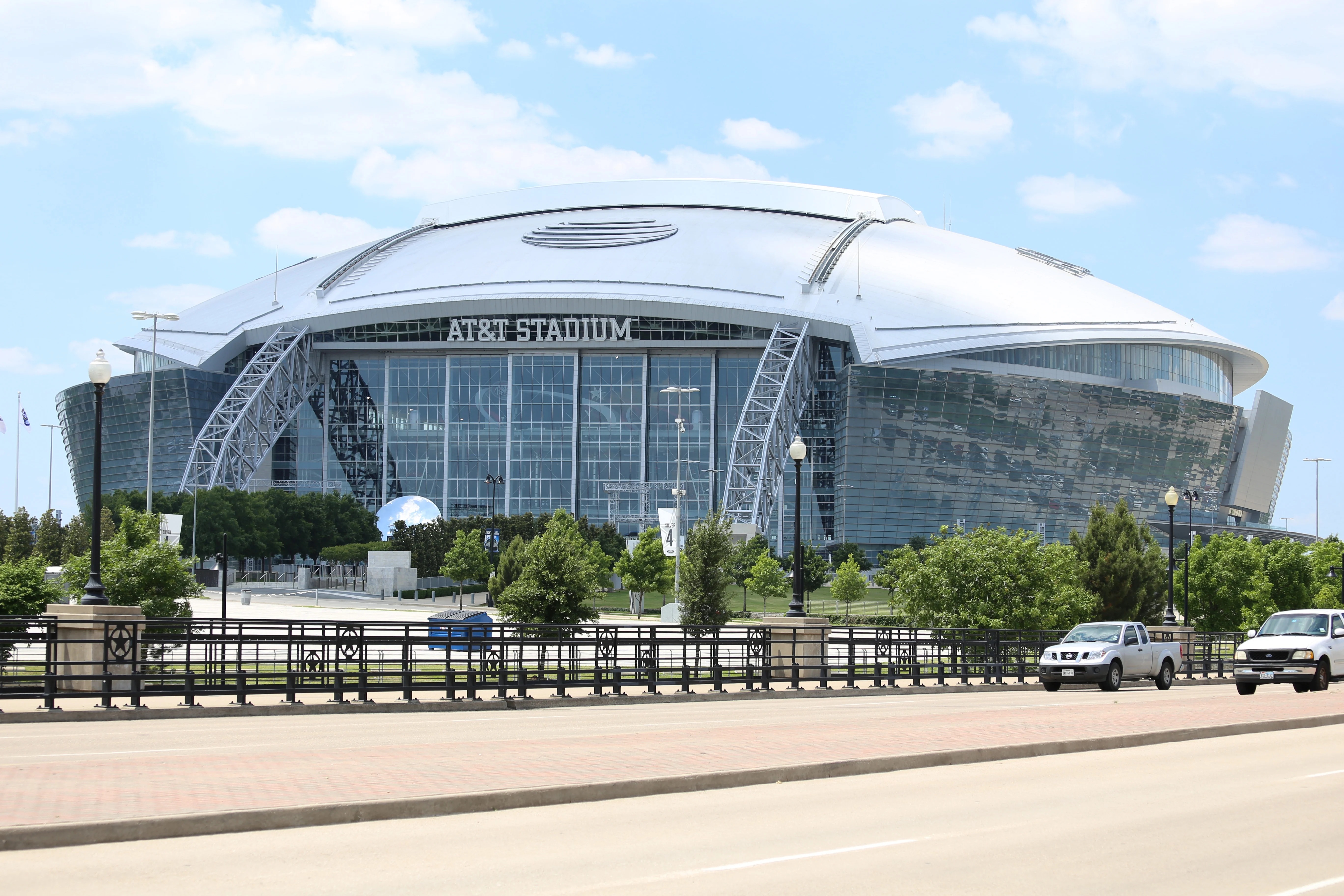
The stadium is a stadium event venue that changes the exhibit plan before any booth parts are built. Arlington's official listing describes a 98,000-square-foot field. The listing notes direct-access load-in and load-out plus full power availability. The listing notes 490 10x10 booth capacity and seating for more than 80,000.
A plan for the stadium needs to start with the building instead of a generic Dallas assumption.
For the stadium, that operating brief has to be specific enough for the field team to use.
For the stadium, the exhibit team also needs a single issue log during show week.
Move-in and service ordering at AT&T Stadium
Move-in planning has to connect freight arrival, crate handling, crew access, security expectations, and service orders in one schedule. If the team waits until show week to confirm those details, even a strong booth design can lose time to preventable field questions.
The research for the stadium gives the planning team a stronger starting point.
Move-in also needs a contingency path.
The venue plan has to be readable by both the client and the crew. If only one side understands the assumptions, the project can still lose time when a service desk, dock contact, or organizer request changes the day.
Floor plan and audience movement
The stadium affects how visitors approach the exhibit.
The booth plan needs to match that movement.
The exhibit's first impression depends on that movement.
Utilities, AV, food service, and partner checks
Utility and partner checks are part of the exhibit scope at the stadium.
The meeting-facility data on the listing shows major reception, theater, banquet, and classroom capacities.
The project team still needs current venue and organizer confirmation before relying on any operational detail. That confirmation belongs before final packing, not after the first crate reaches the floor.
Booth formats that fit AT&T Stadium
The stadium can support different exhibit formats depending on the event.
The format choice needs to account for ceiling conditions, utility locations, freight paths, storage, staffing, fire and access rules, and teardown speed. A booth that fits the brand but fights the building creates avoidable pressure during move-in.
A good format decision also respects teardown. The booth has to leave the stadium through the same operating reality that shaped move-in, including labor timing, outbound freight, rental returns, and any assets that need inspection before storage.
What the client team needs before production
Those inputs turn the stadium from a location into an operating brief.
This is also when approval roles need to be clear.
Those inputs also make pricing cleaner.
Show-site supervision and closeout
Show-site supervision at the stadium protects the transition from plan to floor.
Closeout matters because the same assets may travel to another Dallas-Fort Worth venue. Notes on damage, missing parts, successful service timing, crate contents, and venue-specific friction help the next event start with more control.
The closeout lead needs to capture what the building taught the team. Notes on access, service desk timing, utility placement, attendee flow, and packing order make the next Dallas-Fort Worth event more predictable.
Planning with verified venue detail
The strongest use of the stadium research is practical and current.
That discipline keeps the exhibit plan honest.
That verification habit protects both the client and the build team. It keeps the language grounded in what the venue can support today and gives the exhibit enough structure to adapt when live event details change.
FAQ
AT&T Stadium questions
What matters first for an exhibit at AT&T Stadium?
Planning begins with access, service ordering, utility needs, freight timing, and the way attendees will move through the room. Arlington's official listing describes a 98,000-square-foot field.
Which venue details need confirmation before production?
Confirm the current exhibitor manual, dock or receiving instructions, power and internet forms, AV or rigging rules, catering limits, security expectations, and organizer deadlines before booth parts are released.
What booth types can work at AT&T Stadium?
Inline, island, modular, rental, sponsor, registration, and custom environments can all work when the footprint, traffic flow, utilities, staff plan, and teardown timing match the room.
How does closeout affect the next Dallas event?
Closeout notes protect reusable assets, document missing parts or damage, capture venue friction, and make the next Dallas-Fort Worth show easier to scope and price.
Related links
Continue with the Dallas topics closest to the current scope.
Inquiry
Trade Show Exhibit Company of Dallas
Full-service exhibit programs with design, fabrication, logistics, and venue-aware show-floor accountability.